Staying Safe in the Kitchen – Understanding Fire Classifications

Whether you are a hobby baker or a professional one, fire safety should always be your top priority. Here are some ways to make sure your passion for baking doesn’t turn into a deadly one!

Whether you live in a city high-rise apartment or a rural farmhouse, fire doesn’t distinguish the difference and will leave one structure as devastated as another. Of course, an early warning signal for a fire is a smoke detector. But what can you do when the fire has just started and isn’t out of control yet?

That’s where a fire extinguisher comes into play. The early invention of a fire extinguisher was a few thousand years ago when Ctesibuius of Alexandria first used a pump to pump water used to extinguish fires. Although, it wasn’t until 1818, when a British Captain named George William Manby, invented the modern fire extinguisher and made of copper. It held three gallons combined of compressed air and the fire extinguishing agent – potassium carbonate.

However, before using a fire extinguisher, one important fact to remember is that not all fires are the same. In other words, the fire’s properties change depending on the original source or cause and that factor determines which type of fire extinguisher to use. The consequences for using the wrong extinguishing method may range from no effect to an explosion.

The US groups fire into five classes based on their properties – A, B, C, D, and K. This may differ around the world, for example Europe and Australia also use fire classes but the names and properties are different. Therefore, always check where a fire classification system is to know the standard used.

Class A Fire: Everyday Combustible Materials

Class A fires comprises everyday combustible materials, including, but not limited to – paper, wood, plastics, refuse, and fabric. This is the most common type of fire and is extinguished with water or monoammonium phosphate – the chemical agent used in most fire extinguishers.

Class B Fire: Flammable Liquids and Gases

Class B fires include flammable liquids, such as – kerosene, petroleum oil, paint, and gasoline; or flammable gases, such as – propane, butane, and methane. Although these fires can be found in residential or commercial settings, they are more likely found in an industrial environment.

Water is never to be used when fighting a Class B fire because the likelihood of it dispersing the flammable liquids and spreading the fire instead of extinguishing it. 

Below are two methods used in Class B fires.

  • Monoammonium phosphate – cuts the oxygen supply to the fire
  • Sodium bicarbonate – extinguishes the fire with a chemical reaction

Class C Fire: Electrical Fires

Class C fires are started by electrical sources by overheated wiring or shortages in equipment, etc. As with Class B fires, water is never to be used on Class C fires. Since water and electricity don’t mix well, if water was used it could cause a current to electrocute someone. Thus, there is a two-step process in fighting electrical fires – 

  1. Disconnect the power source.
  2. Use a non-conductive agent such as monoammonium phosphate and sodium bicarbonate used against Class B fires to extinguish Class C fires, as well.

Class D Fire: Combustible Metals

Class D fires consist of combustible metals such as – lithium, magnesium, and potassium and are most common in laboratories and industrial facilities. Never use water to fight a combustible metal fire because some metals will explode when mixed with fire. Instead use a dry powder agent to smother the fire. However, these dry powder agents require special training to handle.

Class K Fire: Kitchen Fire

Class K or Kitchen Fire involves unsaturated cooking oil used in food prep – includes cooking oil,  lard, grease, olive oil, and butter. These fires are a subclass of Class B fires, however, due to the distinct differences of how they burn have their own class. Just as with Class B, water is never to be used, but instead a Class K rated fire extinguisher.  These extinguishers contain a wet chemical extinguishing agent that turns the fire’s fuel to soap.

Conclusion

Fire is a disastrous and scary event, that is why it is very important to increase the safety in your home. The only defense is prevention and being prepared if a fire ignites in your home.  Also, to be sure your home and business complies with all local and state ordinances and codes, contact a fire or sprinkler engineer.

AUTHOR’S BIO

Michael Tobias is the founder and principal of Chicago Engineers. He is a graduate of Georgia Tech class of 2004, with a Bachelor of Mechanical Engineering with honors. His innovative approach to MEP engineering comes from graduating GE’s Engineering Leadership Program, where he designed wind turbines and biofuel power plant engines. Michael’s passion within design is energy efficiency and green technology.

Try these 5 Healthy and Easy-to-Make Recipes!

Are you looking to start off the new year on a healthy note? Here are some healthy and super easy-to-make recipes that you can whip up in no-time!

We all know whole grains, leafy greens, and omega fats are healthy foods that we should be including in our diets. Sometimes it can be a little tricky on how to incorporate these foods into our diets especially when we are always in a rush. Whether it’s rushing to our yoga class or hurrying up for work in the morning, eating healthy is easier said than done.

We’ve scoured the web for some easy-to-make recipes that you can even prepare in advance so you can grab-and-go and eat healthier! Keep reading!

Healthy Oatmeal Mix

Oatmeal can be much more healthier than plain water and oats. There are tons of ways to spice up your daily morning routine and make much more interesting and healthier. Oatmeal is a cheap and easy-to-make recipe that is packed with fiber and antioxidants. It’s also gluten free and 100% whole grain, which make it satisfying and leaving you full for longer. Check out the Fit Foodie blog for a list of easy oatmeal recipes you won’t regret making!

Banana Crunch Coffee Cake

Ripe bananas AND pecans make this coffee cake the perfect breakfast that you can make in advance! Filled with rolled oats, sour cream and eggs, this is one easy-to-make recipe that you can even bring with you to work or to the gym. Check our the original recipe by Pillsbury right here!

Green Strawberry Breakfast Smoothie

Heading out to the gym? We’ve all see how popular green smoothies are in LA, and they are also pretty pricey as well! This green strawberry smoothie is not only simple to make but also very budget friendly as well. Who knew that strawberries, spinach, and avocado could make such a great combination of flavors! BBC Good Food has the perfect recipe for you to try!

5-Ingredient No-Bake Granola Bar

When it comes to simple recipes we can always count on the Minimalist Baker for coming up with this easy-to-make granola bar recipe. Keep in mind, this is a no-bake recipe which makes it’s even better for those that are in a rush and looking for something fast to make. Almonds, rolled oats, dates, and peanut butter are to-die-for!

Guilt-free Veggie Dip!

Looking for a fun way to spice up your regular veggie dip? This vegetable dip we found here will quickly become your new go-to recipe! Using a base of sour cream and packed with interesting spices like dried dill and hot sauce takes this dip to another level. Make sure to try it out and let us know your thoughts in the comments!

Looking for more healthy recipes? Check out WorldRecipes.eu where you can search for endless recipes from various countries and nationalities. You are bound to find something interesting you will want to try out this weekend!

Staying Safe In Your Kitchen – Expert Tips To Protect You

While baking in the kitchen, make sure you keep safety first. Here are some expert tips to make sure your baking experience remains an enjoyable one!

Your kitchen might be the heart of the home, but it’s also a dangerous place. Sharp knives, boiling water, hot surfaces, and sizzling grease all add up to some major injuries, so it’s no wonder that many people end up in the emergency room every year due to kitchen incidents. With this in mind, here are some expert tips to ensure you stay well-protected from harm in your own cooking environment so you too don’t become a kitchen injury statistic.

1.Protect Your Skin

The first step to staying safe in your kitchen is to protect exposed skin from splashes and spills of hot foods, liquids, and fats. Whether you’re cooking at the hob, pouring boiling water into or out of a pan, or serving up fried dishes, you’ll find that the risk of burns is surprisingly high. You can protect yourself best by wearing a professional chef’s apron or chef’s jacket that covers your body, arms and exposed skin, keeping them safe from harm. If you’re wondering where to buy high-quality chef’s attire for you to wear at home you should check out professional specialists like ChefWorks. You’ll find protective clothing made from the best quality fabrics and designed to withstand the rigors of even a professional kitchen.

2.Clean Up Rapidly

If you’re making a meal while dealing with other things, it’s all too easy to spill some food, splash some water or drop some fat. If this happens, it’s important to clean up quickly as this will help to guard against any accidents. Even small amounts of food or water can create a slipping or tripping hazard, and oil and grease are particularly dangerous.

3. Keep A Fire Extinguisher To Hand

Your fire extinguisher represents your kitchen’s most vital gadget. Nobody expects their kitchen to go up in flames, but on the off chance that it does, you should have a fire extinguisher within easy reach and know how to use it properly so that you can stay safe in an emergency/

4. Be Wary Of Steam

Over 100,000 people every year have to go to the ER because of steam burns. Boiling water, hot beverages, and faucets that supply hot water on demand are all scald risks, and steam burns are extremely dangerous, often being more severe than burns from boiling water itself. If you’re taking the plastic wrap off a microwaved dish, taking a lid off a pot of boiling water or tearing open a steamable packet, you are at risk of steam burns, so take care and ensure your little ones also understand that this is a potential hazard.

5. Stay Hygienic

There are more bacteria in your kitchen than in any of the other rooms in your home, so remember to maintain a good level of hygiene. You can banish bacteria by cleaning your kitchen using a water and bleach solution on a regular basis. Clean your cutting boards with an anti-bacterial spray after each use, wet your sponges after each use then zap it in your microwave for 2 minutes. Change and wash your dish clothes regularly.

If you follow these top tips, your kitchen will be a very safe and hygienic place where you and your loved ones will be happy and healthy.

Classic Gingerbread Cookie Recipe – Easy No-fail Recipe!

Christmas is just around the corner, and one of my favorite holiday recipes is making its debut once again! This gingerbread cookie recipe was long lost on our blog and mistakenly deleted years ago! One of our regular readers wrote to us and managed to track down our recipe that was re-posted on another blog. Now we are back with the original recipe that is tried and tested, and looks like it is a favorite among many of our readers. If you are looking for the perfect gingerbread recipe that is simple, easy, and no-fuss – this is it! Keep reading and happy baking!

Classic Gingerbread Cookie Recipe with Icing! – Easy No-fail Recipe!

 
Ingredients:
 
  •  Melted butter, to grease
  •  125g butter, room temp
  •  1/2 cup brown sugar
  •  1/2 cup golden syrup
  •  1 egg, separated
  •  2 1/2 cups plain flour
  •  1 tbsp ground ginger
  •  1 tsp mixed spice
  •  1 tsp baking soda
  •   Plain flour, to dust
  •   1 cup pure icing sugar, sifted
  •   liquid food coloring
Instructions:
 
  1. Preheat oven to 180C and lightly grease 2 baking trays with melted butter.
  2. In a mixing bowl using an electric mixer, beat butter and sugar until pale and creamy. Slowly add in golden syrup and only the egg yolk, and keep beating until well incorporated.
  3. Stir in flour, ginger, mixed spice and baking soda.
  4. Turn dough out onto a lightly floured surface and knead until dough is smooth. Press dough into a disc shape and cover with plastic wrap. Place dough in fridge to cool for 30 minutes. Cool dough will help your gingerbread shapes hold their form until they are placed in the oven to bake.
  5. To make icing, using a mixing bowl and electric mixer, beat egg white until soft peaks for. Gradually add icing sugar and beat until stiff peaks form.
  6. Divide icing among as many bowls as the number of color you plan on using to decorate your cookies. Add a few drops of food coloring to each icing to get your desired color. Place the bowls in the fridge.
  7. Place dough between 2 sheets of baking paper and roll out until about 4mm thick. Use your cookie cutters to cut out shapes. Place the shapes on baking trays about 3 cm apart.
  8. Bake cookies for 10 minutes or until slightly golden/brown. Remove and transfer to a rack to cool. You can also place them in the fridge to cool off faster!
  9. Place prepared icing in small plastic bags and cut a small hole in the corner of each bag. Pipe icing over cookie to decorate as you wish!

Seven Things To Improve Your Baking

Baking isn’t just an art – it’s a science. It’s about the ingredients’ physical properties, chemical reactions, measuring techniques and procedure!

Anyone can bake if they have a good recipe and follow its instructions to the letter. However, how would you like to take your baking to a whole new level of excellence? Here are seven things that will make a better baker.

Preparing To Bake

Firstly, before you roll up your sleeves and turn on the oven, it’s important to be well-prepared for baking. Make sure your surfaces are clear and clean, ready to cook. Make sure you’ve washed your hands and ensure you’ve put on an apron ready to catch any spills and splashes that could ruin your clothes. Although you could choose a half apron, a full coverage one is often the best idea to make sure that you are fully protected from marks and stains. You can find more apron styles here to choose from. Once you’re ready to begin, it’s time to stock up your pantry with these secret enhancing ingredients that will boost the flavor of your cakes, pastries, and puddings significantly.

Instant Espresso Powder

Don’t confuse espresso powder with grin coffee – instant powder is mixed directly with boiling water to make an intense and immediate cup of java. It’s not only great for making a tasty cup of speedy coffee, but it’s also great for making chocolate dishes even more chocolatey. If you’re not a coffee fan, don’t worry, a pinch or two won’t make your dessert taste of coffee, but it will make the flavor more complex and potent.

Lemon

Just a touch of lemon works wonders for fruit flavors, intensifying its fruitiness and balancing any fruit which is just too sweet for a rounder flavor. Try lemon zest for your pie filling, juice for jams and paste for fillings, frostings and cake batter.

Nutmeg

You may be used to adding nutmeg to your cookies at Christmas time, however, this subtle spice works incredibly well in savory dishes too. It can enhance cream-based sauces like mornay and bechamel, and you should definitely try it in mac and cheese.

Cinnamon

If you’re making a caramel dessert, cinnamon will enhance its flavor even more. Don’t add too much though – just a small pinch will usually be enough to make your puddings and cakes taste amazing.

Almond extract

Are you making a coffee cake or coffee-flavor ice cream? Then try adding a touch of almond extract. A quarter teaspoon is enough to add some extra sparkle to your dessert and will bring even more depth of flavor.

White Pepper

If you’re making any baked goods that are flavored with spice, molasses or ginger, add a touch of white paper. A few grinds will add even more depth to the spice, along with floral notes that will take your cake or cookies to a whole new level. Try these secret pantry ingredients the next time you bake and you’re sure to be amazed by the way their flavors lift your baking to a whole new level of excellence!

How to Make the Perfect Coffee Crunch Cake

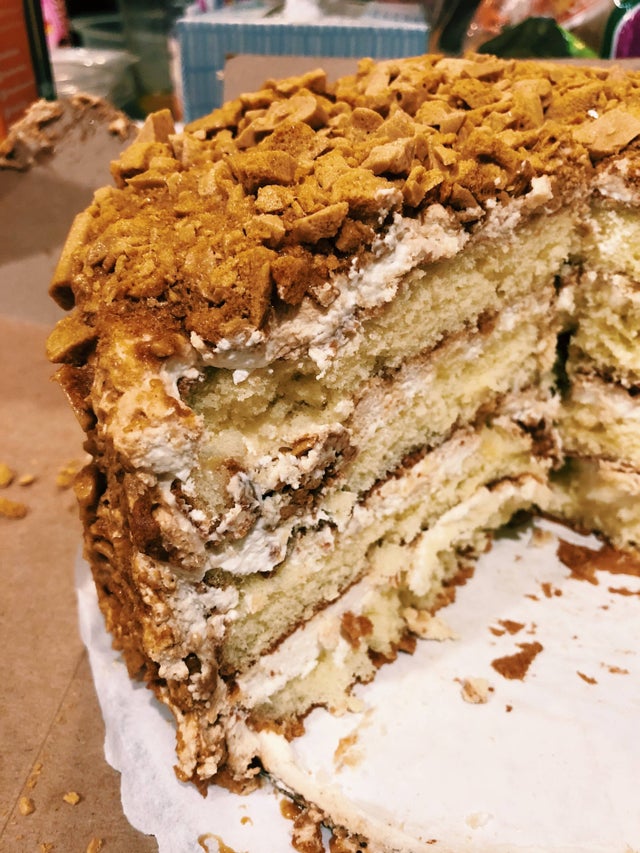
Any San Franciscan will sigh about the highly beloved but sadly departed, Coffee Crunch Cake when asked about dessert! Well, we say “departed” since the original coffee crunch cake people — Blum’s Bakery in San Francisco and Ernest Weil, the original baker who developed the recipe for this delicious cake in the 1940s — are long gone. But what was so legendary about it?

Let us correct you, it still is legendary and it’s because of the classic twin stars:

  1. Coffee
  2. Contrast

The coffee crunch cake is a sinful composition of lemon-vanilla flavoured, sponge cake layers, smothered generously with coffee-infused whipped cream, and covered in totality by a coffee crunch toffee topping. The contrast between crisp and soft textures and that of bittersweet coffee with lemon layers is truly exceptional.

The ’70s saw Blum’s shut shop, but the coffee crunch cake lived on in people’s taste buds and also recipes. That said, here’s how to make the perfect coffee crunch cake.

Ingredients for Sponge Cake:

  • 2 1/4 cups cake flour (not self-rising)
  • 1 1/2 cups sugar
  • 1 tablespoon baking powder
  • 1 teaspoon salt
  • 1/2 cup vegetable oil
  • 6 large eggs, separated 
  • Zest of 1 lemon
  • 1 tablespoon pure vanilla extract

Method:

  • In a large bowl, whisk all dry ingredients with half the sugar. Add 3/4 cup water, oil, egg yolks, zest, and vanilla; beat until smooth.
  • Whisk egg whites with remaining sugar until stiff, glossy peaks form.
  • Fold the beaten egg whites gently with the batter in two rounds. 
  • Pour in a 10-inch pan and bake in a pre-heated oven at 325 degrees for 1 hour. Chill for another hour before frosting.

Coffee Frosting:

  • 2 1/2 cups well-chilled heavy cream
  • 2 1/2 tablespoons sugar
  • 2 1/2 teaspoons vanilla extract
  • 2 1/2 teaspoons roasted coffee granules

Ingredients for Coffee Crunch

  • 3/4 cup sugar
  • 2 tablespoons strong brewed coffee 
  • 2 tablespoons light corn syrup
  • 1 1/2 teaspoons baking soda

Method:

  • Line a baking sheet with greasy parchment.
  • In a saucepan boil sugar, coffee, and corn syrup over medium heat to 300 degrees.
  • Remove from heat and after 10 seconds whisk in baking soda until combined and immediately pour over the baking sheet. Do not spread and let it cool for 30 minutes.
  • Break into uneven pieces with a spoon.

Assemble the cake by covering the halved layers of cake with frosting. Before stacking the layers, cover with the crunch in between. Cover entirely with coffee crunch just before serving.

Baker’s tip: Remember that a lot depends on the starring ingredient—coffee. The whipped cream and the honeycomb flavours can make or break the coffee crunch cake. So, the coffee you use for infusing the whipped cream and for making the crunchy shards must be of stellar quality. The magic of this cake lies in the contrast that the unique caffeinated flavour provides. 

Ingredients make a world of difference. So, choosing the best coffee roasters in Sydney to bake this classic dessert is only fitting to its historical stature. With Grand Cru, your coffee crunch cake will be just perfect and might remind you of Sunday mornings in Union Square.

The EASIEST Homemade Black Forest Cake Recipe!


I love a good old EASY recipe! Especially black forest cake, which seems to be one of the most popular and sought after cakes that everyone seems to – dread making. This recipe is by far one of the easiest black forest cake recipes that will have you jumping for joy and eating it in no-time. 

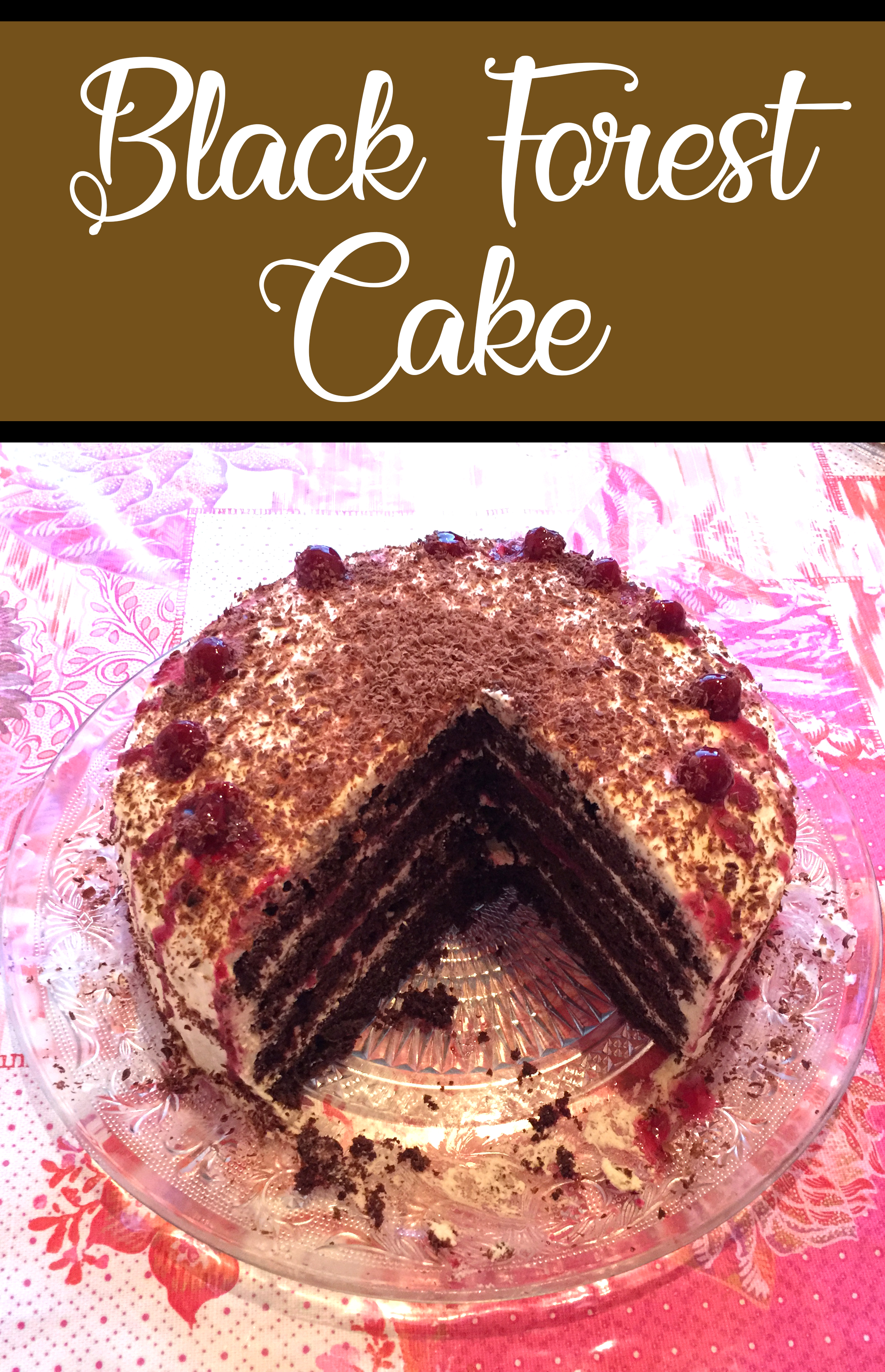
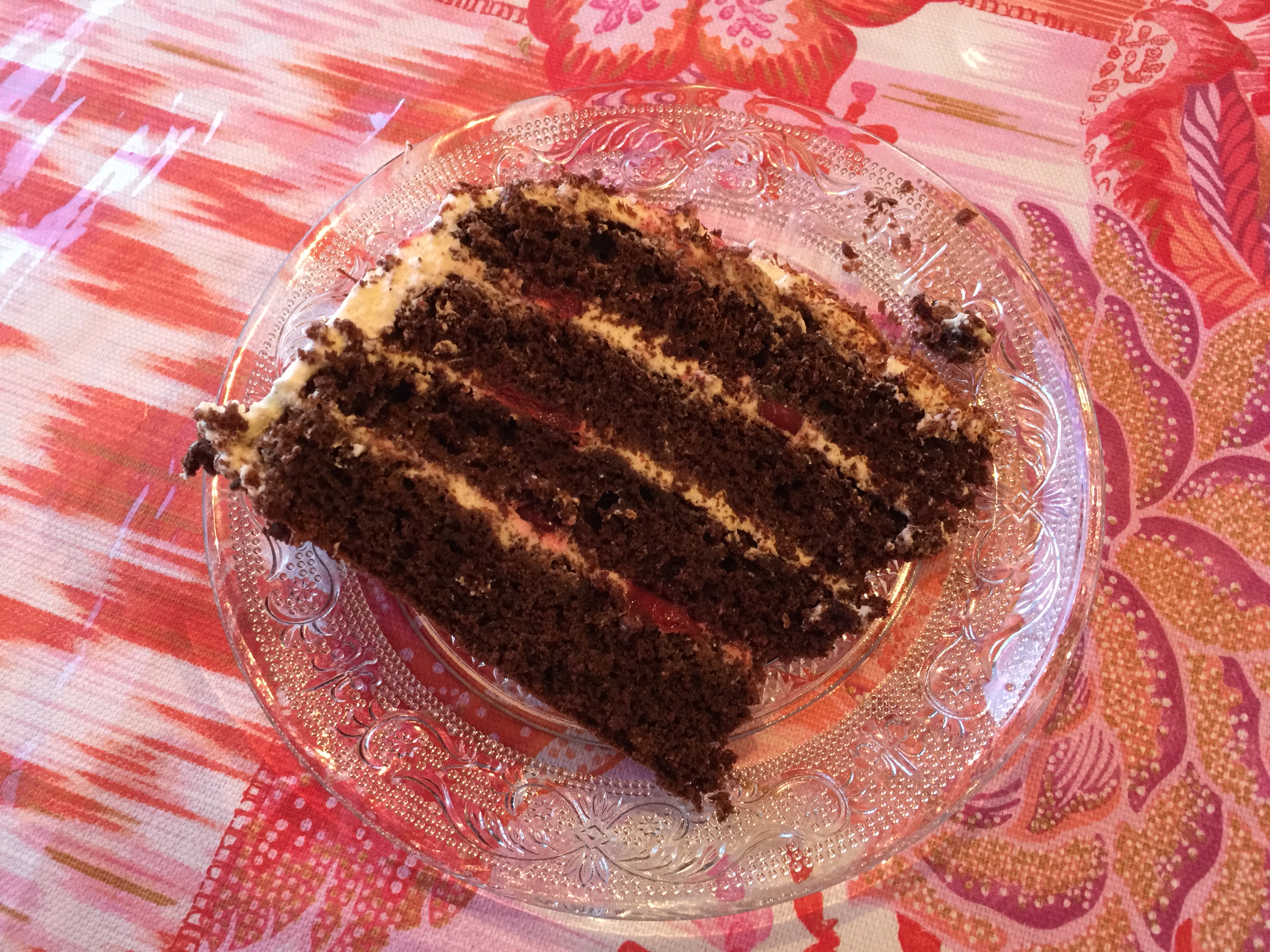
Black forest cake is a German cake with several layers of chocolate sponge cake sandwiched between whipped cream and cherries. To make an ORIGINAL German black forest cake the cake must include “Kirsh: cherry liqueur. To be honest, you can use any one of your favorite cherry liqueurs or one that you have sitting in the pantry and you will achieve the same effect. If you have rum in your pantry instead, you can use that too! The Austrian’s use rum in their black forest cakes instead. Whatever it is that you use, this cake will without a doubt turn out delicious! 

*If you would like to share my recipe and photos please provide proper credit and a link back. Thanks!  

The Easiest Black Forest Cake

Ingredients:

Chocolate Cake Layers:
9 large eggs
½ cup sugar
1 cup all purpose flour
½ cup cocoa powder (unsweetened)
¼ cup softened unsalted butter
1 tsp vanilla extract
Cherry Syrup
1 lb of pitted and roughly chopped cherries
3 tbsp of cherry brandy of your choice
¼ cup of water

To Decorate:

10 whole cherries
3 oz of dark chocolate

Cherry Liqueur Cake Frosting:

3 ½ cups of heavy whipping cream
1/3 cup of powdered sugar
1 tbp cherry liqueur

Directions:

To Make Chocolate Cake Layers:
1. In a mixing bowl using an electric mixer, beat eggs on high. Slowly add in sugar all while continuously mixing until light and fluffy.
2. In a separate mixing bowl, mix together flour and cocoa powder. Using a spatula, fold into egg mixture until well incorporated.
2. Next, fold in vanilla and softened butter until well incorporated. Divide between two 9” pans and bake in a preheated oven at 350F for about 20 minutes or until a toothpick inserted into the middle of the cake comes out clean.
3. For best results, once your cake layers are done baking and cooled on a wire rack, place them in the fridge until you are ready to assemble your cake.

To Make Cherry Syrup:

1. Place pitted and chopped up cherries in a mixing bowl with 3 tbsp of cherry brandy. Let cherries sit in brandy for about half hour, and then separate the cherries from the syrup by draining the cherries over a bowl. Set both mixtures aside.
2. Add ¼ cup of water to cherry syrup and set aside.

To Make Cake Frosting:

1. In a mixing bowl, beat whipping cream on high speed using an electric mixer until peaks form. Slowly add in powdered sugar and cherry liqueur and keep mixing until well incorporated. For best results, put cake frosting in fridge and keep cool at all times until you are ready to assemble your cake.

Cake Assembly:

1. Using a long knife, slice cake layers in half in order to make 4 cake layers. Place first layer on a serving plate or cake stand, and cover with ¼ cup of cherry syrup. Then, cover with approximately ¾ cup of frosting and sprinkle on chopped cherries. Repeat with all layers. Using the remaining frosting to frost the sides of the cake.
2. Using a vegetable peeler, shave chocolate in order to make chocolate shavings. Cover the sides and the top with shaved chocolate and decorate top with whole cherries.